From datasets and models to systems insight.

We support public-good institutions in making better decisions on problems that are messy, systemic, and still unfolding.

Scroll

A simplified agent-based model of unrest unfolding as a cascade, with reference to the Arab Spring of the early 2010s.

About Zeroth Labs

Let's talk

We are a public interest research lab that works on complex adaptive systems. We tackle “wicked problems” by supporting countries, cities and institutions at varying stages of development to make sense of the underlying dynamics that make their policy challenges show up in the way that they do.

We believe that complex systems require understanding before intervention. We also believe that the difficulty of these issues warrants methods that meet them. For this reason, we apply multiple disciplines and approaches: anthropology, statistics, behavioural science, as well as network theory, agent-based modelling, and other computational approaches under a broader disciplinary umbrella of complexity science or complex systems science.

We have brought this lens of complex adaptive systems into everything we do: with multilaterals, federal governments, city municipalities, and future-oriented companies to tackle challenges in healthcare, rapid urbanisation, youth unemployment, and others.
What We Do

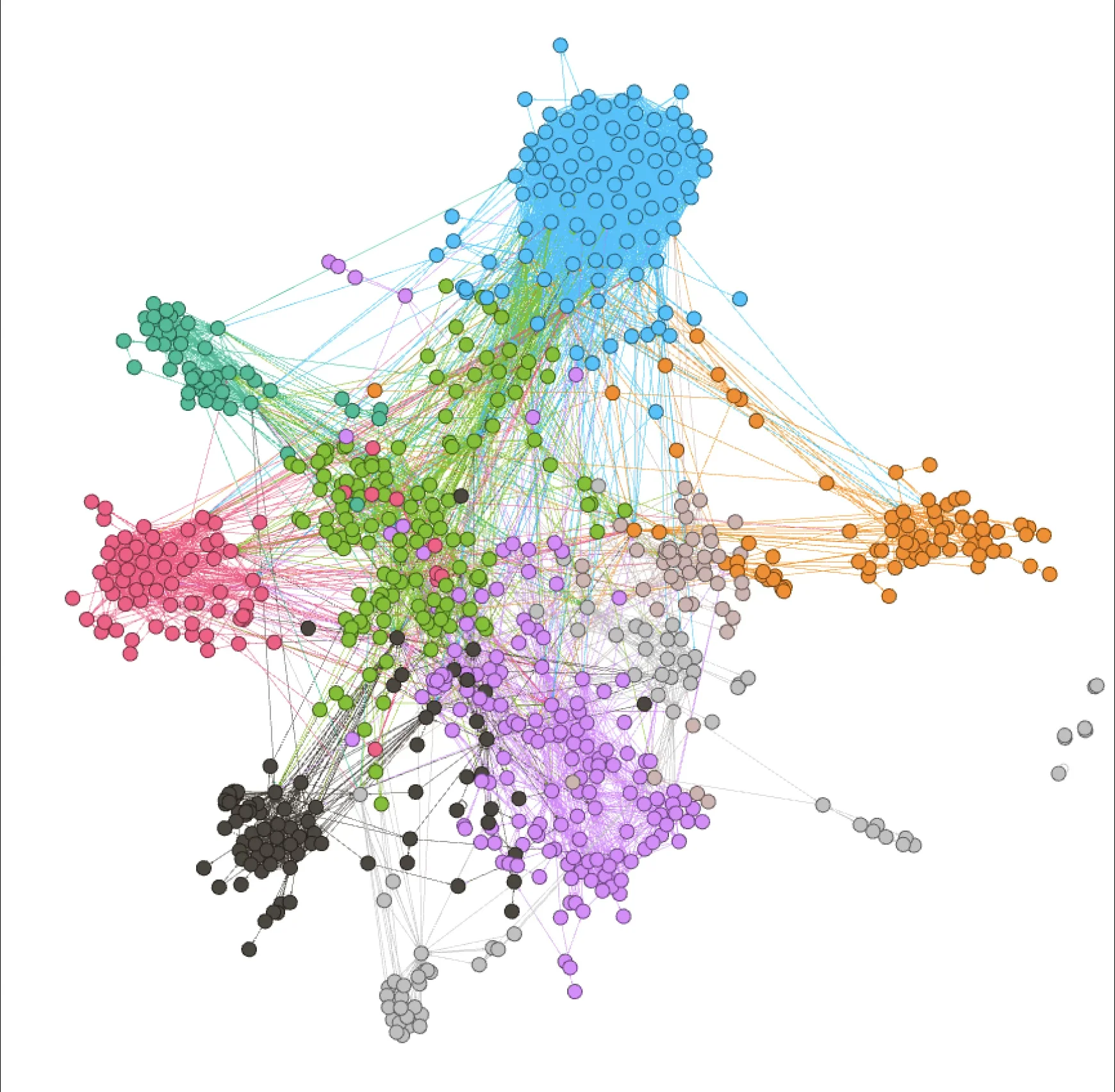
Visualisation on HIV risk network from Project 90 dataset to understand the link between role, interactions and HIV risk from network structure.

Research

Applying computational methods from complexity science such as network science and agent-based modelling, among others, to better understand socio-technical systems and societal problems. A current research interest is to better understand properties of stability, collapse, and propagation of cascades in economic and trade networks using network science and statistical physics.

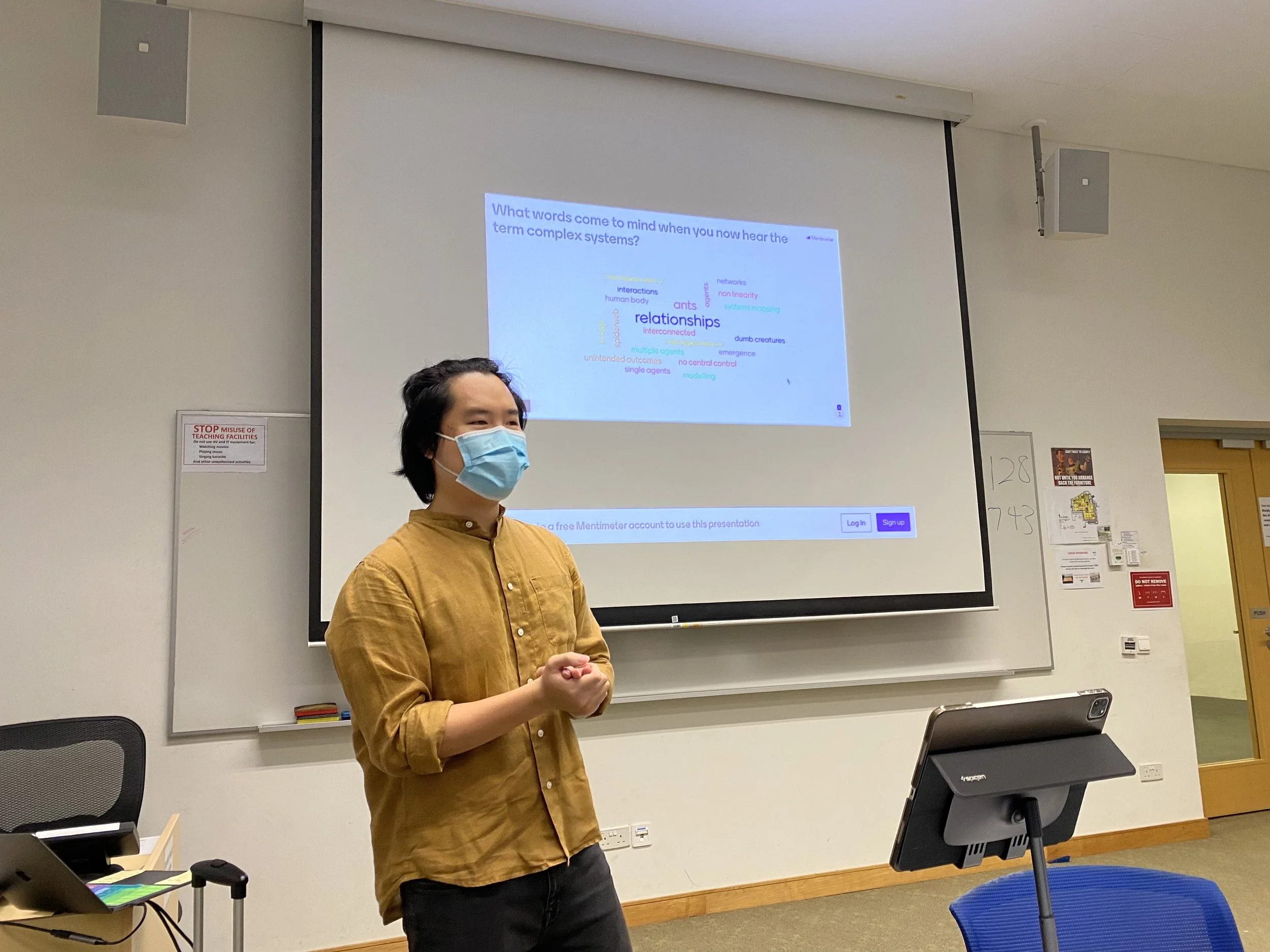
Summer 2022 run of Complexity & Systems Thinking (CAST) at Yong Loo Lin School of Medicine, NUS, Singapore

Teaching

We develop and teach academic modules/programmes on complexity science and how they apply to real-world domains such as medicine and health, public policy, business. We also deliver non-academic programmes to public-interest organisations and future-oriented companies.

Academic engagements include YLLSOM and LKYSPP at NUS; SOSS at SMU. Non-academic engagements include UNDP, Google, National Volunteer and Philanthropic Centre.

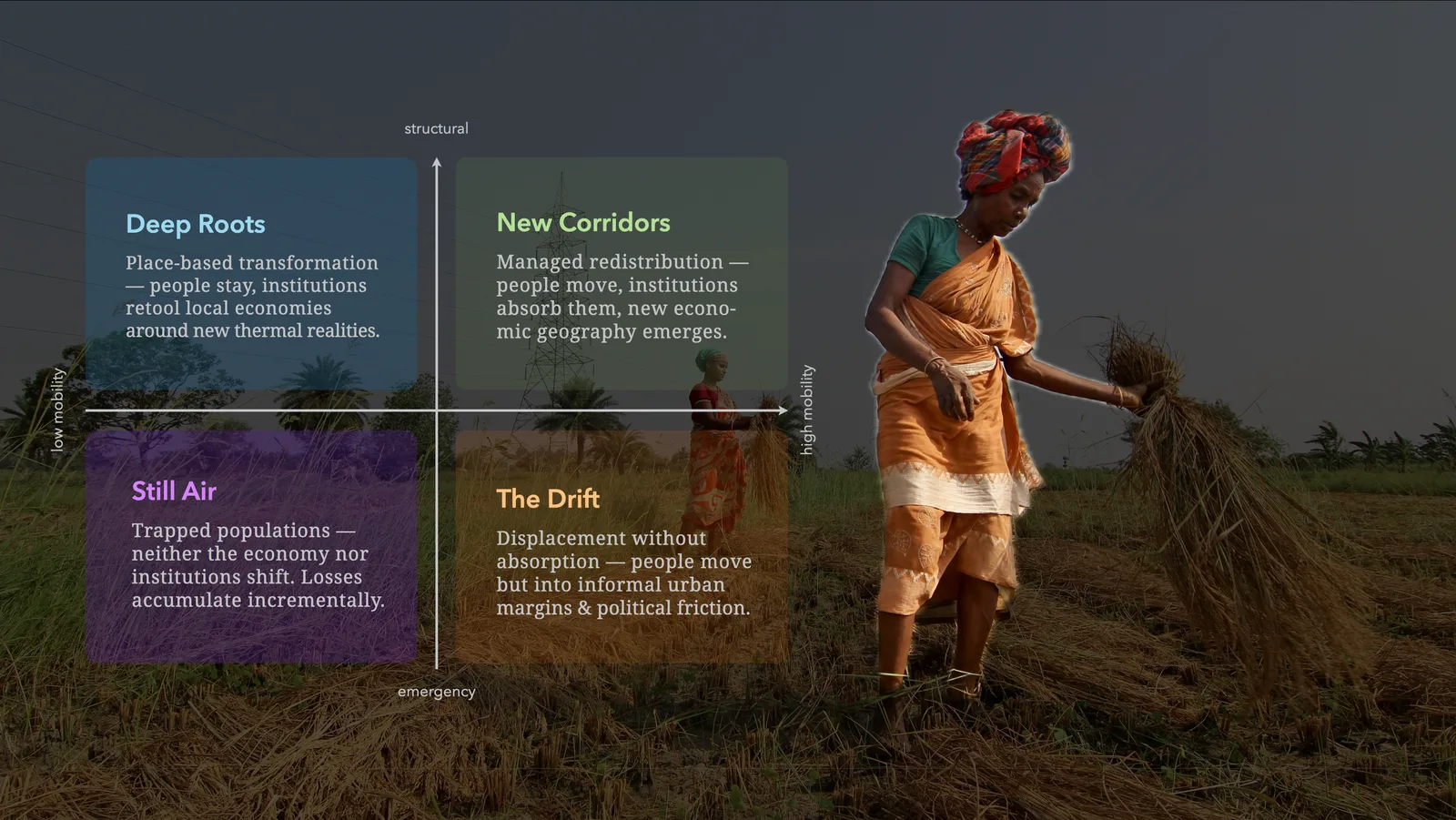
Screenshot from Still Air, a strategic foresight analysis on the impact of extreme heat in South Asia on livelihoods and food security in 4 plausible futures, and implications for development finance.

Advisory

We support multilaterals, federal governments, city municipalities, and future-oriented companies and organisations to tackle challenges in a wide variety of domains. These include healthcare, labour markets, energy security, human services, among others. We apply a systems approach that helps uncover feedback loops and second/third -order effects in the system that needs shifting. Sometimes we also use strategic foresight as relevant to support strategic decision making under uncertainty.

Past clients/funders include UNDP, USAID, Government of Singapore.